


KAP is a therapeutic modality that combines ketamine treatment with dedicated psychotherapy. It can help with hard to treat mental health conditions such as trauma, depression or anxiety.
It is not a medication-only treatment; it is a psychotherapy-centered model in which ketamine supports - but does not replace - therapeutic work. It represents a shift from medication-centered treatment toward a psychotherapy-grounded model that integrates psychiatry and therapeutic care.
KAP incorporates psychotherapy into the treatment model, positioning therapeutic processing as integral to clinical outcomes.
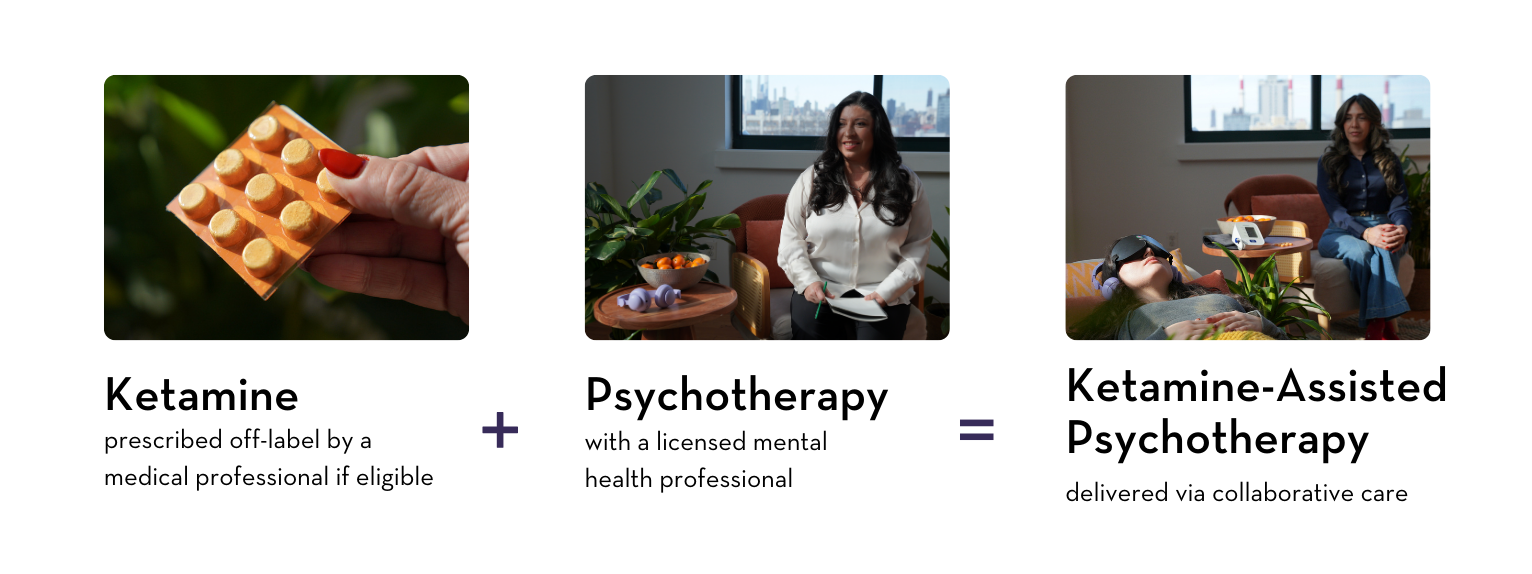
Why Combine Ketamine With Psychotherapy?
Ketamine may temporarily increase emotional openness, cognitive flexibility, and neuroplasticity, allowing patients to access new perspectives and emotional material.
Psychotherapy helps translate these changes into meaningful and lasting outcomes, including improved insight, emotional regulation, and behavioral change.
For example, during psychotherapy, patients may:
- explore underlying emotional patterns
- process memories or experiences that emerge during treatment
- develop new perspectives on entrenched thought patterns
- translate insights into lasting behavioral change
Without psychotherapy, ketamine-related experiences may remain isolated, difficult to integrate, or lead to over-reliance on the medication without sustained psychological change.
Psychotherapy also helps reduce the risk of avoidance or unprocessed emotional material, and reinforces that change occurs through reflection, the therapeutic relationship, and ongoing integration - not the medication alone.
Learn more about why the therapeutic alliance is central to KAP.
Where Does Ketamine-Assisted Psychotherapy (KAP) Fit in Mental Health Treatment?
Ketamine-assisted psychotherapy (KAP) sits at the intersection of psychiatry and psychotherapy, and is increasingly considered part of interventional psychiatry; a field that uses targeted biological treatments alongside clinical care for complex mental health conditions.
Comparison - how KAP is different from medication-only treatments or psychotherapy-only treatments:

Compared to traditional psychotherapy alone, KAP introduces a biological intervention that may increase emotional access and flexibility, potentially facilitating therapeutic work.
KAP also differs from traditional psychiatric medications such as SSRIs and SNRIs, which are typically taken daily to regulate mood over time. While many patients benefit from these medications, some experience partial response or treatment resistance.
In contrast, KAP is delivered in structured sessions and combines a pharmacological intervention with psychotherapy. Ketamine may produce rapid or gradual changes in mood and cognition in some individuals, while psychotherapy supports the integration of these changes into longer-term psychological improvement.
Read our full blog to understand how KAP fits into mental health treatment options today.
What Makes Ketamine-Assisted Psychotherapy (KAP) Different from Other Ketamine Treatments?
Today, there are 4 mainstream ketamine treatment models including:
- Ketamine-Assisted Psychotherapy (KAP)
- At-home ketamine programs
- IV ketamine infusions
- Spravato (esketamine nasal spray)
These approaches vary in their level of psychotherapy involvement, treatment environment, and clinical structure:
Key difference #1 - Psychotherapy:
In contrast to other ketamine treatment models, KAP represents a shift from a medication-only model toward an integrated model that includes medication and psychotherapy.
Key difference #2 - Set & Setting:
KAP curates an intentional set and setting with preparation, set up of the physical space with music and the presence of your therapist.
Key difference #3 - Insurance access:
With KAP, medical and psychotherapy sessions with clinicians are generally covered by insurance. Spravato is fully covered for TRD while at-home ketamine and IV ketamine are typically self-pay.
.png)
For a detailed comparison of the major ketamine treatment approaches, including IV ketamine infusions, at-home ketamine programs, and esketamine treatment with Spravato, read our full guide: KAP vs At-Home Ketamine vs IV Ketamine vs Spravato.
If you’d like to learn more about ketamine, read our blog on ketamine and the brain.
What Conditions Can Ketamine-Assisted Psychotherapy (KAP) Help With?
KAP is most commonly evaluated for mood, anxiety, and trauma-related conditions.
Generally, clinicians may evaluate ketamine-assisted psychotherapy for individuals experiencing:
- Depression
- Treatment-resistant depression (TRD)
- Anxiety
- PTSD and trauma-related conditions
Depression (Including Treatment-Resistant Depression): Ketamine-assisted psychotherapy (KAP) may support individuals with depression, including treatment-resistant cases. Ketamine can increase emotional flexibility, while psychotherapy helps translate these shifts into lasting cognitive and emotional change.
Anxiety Disorders: KAP may help soften rigid thought patterns and reduce hypervigilance associated with anxiety. This temporary shift can make it easier to engage in therapeutic work and develop a new relationship to anxious thoughts.
Trauma-Related Conditions: KAP may support trauma processing by combining ketamine with psychotherapy. Some individuals can revisit difficult experiences with reduced emotional intensity, allowing for safer integration within a structured clinical setting.
Who May Benefit from KAP?
KAP may be worth exploring for individuals who have not found lasting relief through conventional approaches to mental healthcare. Many people who seek out Ketamine-Assisted Psychotherapy have tried talk therapy or psychiatric medication sometimes for years and still feel stuck. Others may be experiencing treatment-resistant depression, persistent anxiety, or trauma-related conditions that have not responded adequately to first-line interventions. KAP is not limited to people who have exhausted all other options. Some individuals pursue it because they want a more integrated treatment model one that combines a biological intervention with structured psychotherapy to address both the emotional and neurological dimensions of their experience. Whether you are early in your mental health journey or have been managing symptoms for a long time, the first step is a conversation with a licensed therapist who can help you understand whether KAP may be appropriate for your situation. At Journey Clinical, that conversation begins with a therapist in our network, followed by a medical evaluation with our clinical team.
To be eligible for treatment, you must also be:
- Engaged in psychotherapy
- Medically cleared (on a case by case basis based on the patient’s unique history)
When KAP Is Not Recommended?
While KAP may be appropriate for some individuals, it is not recommended for everyone.
Among others, KAP may not appropriate for individuals with unstable medical conditions, contraindicated psychiatric disorders or uncontrolled substance use disorder, including and not limited to:
- Uncontrolled hypertension or some hypertensive conditions
- Severe breathing problems
- Uncontrolled glaucoma
- Other unstable medical conditions (e.g. recent traumatic injury or certain cardiovascular conditions etc.)
- Acute mania or mixed state
- History of primary psychotic disorder
- Active suicidal ideation or severe psychiatric instability
- Active ketamine use disorder
- Ketamine allergy or hypersensitivity
- Pregnancy
These are evaluated during your medical intake by medical professionals alongside any other contraindications based on a full medical and psychiatric history.
***Eligibility is determined on a case by case basis by a medical professional after a full clinical evaluation. ***
Read our full blog to understand who may be a good candidate for KAP and who may not (coming soon!).
Ketamine safety profile and side effects
Ketamine has a strong medical record. Ketamine has been used in medicine for more than 50 years, including in anesthesia, emergency care, pain management, and - more recently - mental health treatment. Across clinical applications, its safety profile is generally described in the literature as:
- Well-tolerated in controlled, clinician-supervised settings
- Rapidly cleared from the body (short half-life, effects are time-limited)
- Transient side effects are common, predictable, and dose-dependent
- Serious adverse events are rare when medical screening and monitoring protocols are followed
- Blood pressure elevation is the most clinically relevant physiologic effect, which is why protocols include blood pressure and heart rate checks before and after dosing
- Risk of dependence and bladder complications are primarily associated with frequent, chronic, unsupervised use, not with typical medical protocols
Common short-term side effects (most often during or within a few hours) include:
- Dissociation (feeling detached, “dreamlike,” time distortion) FDA Access Data+1
- Sedation / sleepiness / fatigue FDA Access Data
- Dizziness / vertigo / unsteadiness PMC+1
- Nausea (sometimes vomiting) PMC+1
- Headaches Nature
- Blurred vision / feeling “off” PMC+1
- Altered body awareness and spatial orientation
These effects are typically dose-related and time-limited, which is why many protocols include monitoring after dosing. In controlled clinical settings, these are often described as transient and generally mild–moderate, but they still matter for safety planning (no driving same day, fall risk precautions, etc.).
In summary, the clinical safety profile of ketamine is well-established when delivered under medical supervision, including systematic screening, monitoring, and human clinician approval for treatment plans and medication adjustments.
What is a Typical KAP Treatment?
Before patients initiate treatment, patients must receive medical clearance for KAP treatment. That typically happens with an intake consultation by a KAP-trained medical professional. If the patient is eligible, they will receive a personalized treatment plan. This ensures KAP is appropriate and medically supervised.
A typical KAP treatment framework includes three phases:

Phase 1: Preparation sessions
Before ketamine sessions begin, patients meet with a KAP trained therapist to discuss treatment goals, emotional readiness, and intentions for the experience. Preparation helps establish psychological safety and therapeutic alignment. The patient and the therapist explore:
- Intentions for treatment
- Any fears or concerns about the experience
- Emotional readiness and trust-building
- What support you may need during dosing
Building a strong therapeutic alliance is paramount to KAP safety and efficacy.
If you don’t have a KAP trained therapist, Journey Clinical will match you with a KAP provider.
Phase 2: Ketamine dosing sessions
Ketamine is administered in a controlled clinical setting while the patient is supported by a trained clinician. Patients may experience shifts in perception, emotional perspective, or cognitive patterns during the session.
A typical ketamine dosing session lasts between 1-3 hours and can take place either in-person in your therapist office or remotely via telehealth. During a dosing session, patients self-administer their ketamine lozenge. Typically, patients are in a comfortable, reclining position wearing an eye mask and listening to calming music. Although a dosing session may be largely an internal experience, the therapist is present the entire time to hold space and provide support as needed. Common experiences may include:
- Visual imagery or dream-like scenes
- Emotional insights
- Shifts in perspective
- Relaxation or lightness
- Temporary dissociation
If you'd like to see how a dosing session unfolds, watch a full KAP dosing session video here.
Phase 3: Integration sessions
Following the experience, psychotherapy sessions help patients reflect on what emerged during treatment and translate insights into meaningful psychological and behavioral change. Integration often includes:
- Exploring the memories and insights that surfaced
- Understanding emotional or cognitive shifts
- Translating insights into behavioral and emotional change
- Reinforcing coping strategies and mental health progress
If you are interested to learn more, read the full guide on preparation and integration for KAP.
It is important to continue to schedule regular follow-up appointments - at a minimum once per quarter - with the medical team to monitor symptom improvement, assess safety, adjust treatment plans, and prescribe refills when appropriate. For optimal treatment, it is recommended that your clinician manages all of your psychiatric medications. This ongoing medical oversight ensures that Ketamine-Assisted Psychotherapy remains safe, structured, and responsive to patient needs.
Read our full step-by-step guide to know how KAP works at Journey Clinical
Outcomes with Ketamine-Assisted Psychotherapy (KAP)
While the goal of KAP is unique for each patient, the purpose of ketamine-assisted psychotherapy is not only symptom relief, but meaningful psychological change, including:
- improved emotional regulation
- greater cognitive flexibility
- reduced symptom severity
- increased capacity for insight and self-awareness
Some people may experience changes in mood or perspective within hours to days, while sustained improvement typically develops through ongoing psychotherapy and integration.
While outcomes vary by individual and condition, ketamine-assisted psychotherapy (KAP) may be associated with changes across emotional, cognitive, and physiological domains when delivered within a structured therapeutic framework.
Within hours to days, some patients report:
- reduced symptom intensity (e.g., low mood, anxiety, distress)
- decreased rumination or intrusive thoughts
- increased emotional openness
- reduced physiological tension
- improved sleep
Within weeks, with ongoing psychotherapy and integration, patients may experience:
- improved coping skills
- reduced avoidance patterns
- increased capacity for self-reflection
- greater engagement in therapy
- early behavioral and relational changes
Factors influencing outcomes include
- Engagement in psychotherapy
- adherence to treatment plan (frequency and continuity of sessions)
- strength of the therapeutic alliance
- Lifestyle factors
- Underlying clinical presentation
How Symptoms May Evolve Over Time
Changes in mental health symptoms often occur non-linearly. The table below illustrates how common symptom domains across depression, anxiety, and trauma-related conditions may evolve during KAP.
These patterns are illustrative and do not represent guaranteed outcomes. Symptom trajectories vary depending on diagnosis, treatment plan, and individual response.
At Journey Clinical, 87% of patients report improved clinical outcomes after a full course of KAP treatment (2 medical visits, 8 dosing sessions).
What Makes Journey Clinical Different
Journey Clinical delivers KAP through a therapist-led, clinician-supervised care model built for real patients - especially those who feel stuck, overwhelmed, or previously treatment-resistant.
What’s different?
- 500,000+ hours of KAP delivered: Our clinicians have guided hundreds of thousands of hours of Ketamine-Assisted Psychotherapy, building deep expertise and consistent safety outcomes over time. Watch a demo of a KAP dosing session on YouTube.
- Therapist-first model: Care is guided by KAP-trained licensed psychotherapists embedded in a strong clinical community. Journey Clinical supports the largest network of KAP providers in the country, with ongoing peer learning, consultation groups, and shared clinical wisdom to continuously improve practice
- Integrated psychiatry + psychotherapy: A world-class medical team partners with therapists to take on comprehensive psychiatric medication management, dosing oversight, eligibility screening, and outcome monitoring alongside depth-oriented therapy.
- Beyond relief, deep therapeutic work: KAP at Journey Clinical pairs ketamine dosing with a structured preparation → dosing → integration protocol so patients can shift fear, avoidance, and emotional patterns that drive depression, anxiety and trauma - not only temporarily reduce symptoms.
- Insurance support: Medical consultations and psychotherapy are often covered, reducing overall out-of-pocket costs for many patients when compared with standalone ketamine or clinic-only approaches. Check your insurance coverage here.
- Safety-focused protocols: Every patient undergoes comprehensive screening, informed consent, and strict dosing protocols, with continuous real-time support from a licensed clinician during KAP sessions - in person or remotely - plus monitoring of vitals and follow-up checks to ensure therapeutic efficacy and wellbeing. Read more on our dedicated safety page.
- Trauma-informed and ethically grounded care: Our approach is rooted in trauma-aware frameworks, professional guidelines, and ethical standards, ensuring each patient’s experience is safe, respectful, and aligned with best clinical practice.
In summary, Journey Clinical’s KAP model integrates psychiatric care, therapist-led therapy, and structured protocols to treat the root of mental health, not just its symptoms. Read more about how KAP works at Journey Clinical and what to expect from the treatment.
If you are curious to explore, watch a recording from a recent KAP 101 live info session on Youtube, visit our KAP education center or join an event near you.
Patient stories and therapist insights
Watch this video that features Meredith Futernick-Gerak LPC, Kwasi Adusei DNP, Jennifer Giuglianotti LCAT, Julia Pinsky LMFT, Orlando Zuniga LMFT, Tisha Aronsen LMFT, Erin Carpenter LCSW, L.J. Lumpkin III LMFT, Karla Amanda Brown LMFT where they share client stories.
Watch this video to hear directly from a therapist who has done over 200 ketamine sessions with clients. He explains how a KAP session can plant a seed for deep, lasting transformation: “The imagery that can occur during a KAP session provides a seed. As we unpack the experience, we find that the seed of a little part of the journey grows into a tree.” says Eric Fraser, LCAT and KAP provider.
Final Thoughts
As the field of psychedelic-assisted psychotherapy continues to evolve, KAP represents a clinically grounded approach that integrates biological and psychological care within a structured, evidence-informed framework.
Frequently Asked Questions
How is KAP different from traditional therapy?
KAP combines psychotherapy with a biological intervention, which may increase emotional access and flexibility compared to therapy alone.
Is KAP the same as ketamine therapy?
No. Ketamine therapy is an umbrella term that may refer to medication alone. KAP specifically includes structured psychotherapy as a required component.
Does KAP cure depression?
KAP is not considered a cure. It may reduce symptoms and support meaningful psychological change when integrated into therapy.
Is psychotherapy required in KAP?
Yes. Psychotherapy is a defining component of the KAP model.
Is KAP safe?
When delivered with medical screening, licensed psychotherapy, and ongoing monitoring, KAP can be safe for medically eligible patients.
Key Terms for Ketamine-Assisted Psychotherapy (KAP)
- Collaborative care in ketamine-assisted psychotherapy refers to a coordinated model in which medical providers and psychotherapists work together to deliver treatment.
- The therapeutic alliance refers to a collaborative working relationship between patient and therapist that supports trust, safety, and effective therapeutic work.
- Set and setting refer to the internal psychological state (“set”) and external therapeutic environment (“setting”) that shape a patient’s experience during ketamine-assisted psychotherapy.
- Preparation sessions refer to psychotherapy sessions conducted before ketamine administration to set intentions, build safety, and prepare for the treatment experience.
- Dosing sessions refer to clinical sessions in which ketamine is administered in a controlled setting with therapeutic support.
- The window of neuroplasticity refers to a temporary period following ketamine administration during which the brain may be more adaptable to learning, emotional processing and psychological change.
- Integration sessions refer to psychotherapy sessions that take place after ketamine dosing to help patients process and apply insights from their experience.
Related Articles
- Ketamine-assisted psychotherapy (KAP) research (curated library of 30+ research articles)
- Doing KAP With Journey Clinical - what to expect
- Preparation and Integration for Ketamine-Assisted Psychotherapy
- Understanding the Cost of Ketamine-Assisted Psychotherapy (KAP) at Journey Clinical
- Ketamine and the brain
- Ketamine-assisted psychotherapy (KAP) for anxiety
Client Education Resources
Are you a therapist looking to add KAP to your practice or a patient wondering if KAP may be right for you?